

Experience
VIP・private access
•
(EMS-6) Traditional Ryokan Night with Kaiseki Dinner & Morning Onsen
PRIVATE
TOUR TYPE
CUSTOM
OPTIONS
1
DESTINATIONS
Experience
VIP・private access
•
(EMS-6) Traditional Ryokan Night with Kaiseki Dinner & Morning Onsen
PRIVATE
TOUR TYPE
CUSTOM
OPTIONS
1
DESTINATIONS
Experience
VIP・private access
•
(EMS-6) Traditional Ryokan Night with Kaiseki Dinner & Morning Onsen
PRIVATE
TOUR TYPE
CUSTOM
OPTIONS
1
DESTINATIONS
Area
Kanto
Kansai
Schedule
Flexible
Guide Language
Japanese
•
English
•
Self-guide
•
Overwiew
What You’ll Discover
Overwiew
What You’ll Discover
Check into a tatami suite with a private garden view and receive a personal yukata fitting
Stroll between Kinosaki's seven public bathhouses with your inn-provided wooden bath pail
Savour a 12-course kaiseki dinner using seasonal local ingredients served in your room
Wake to a private in-room onsen soak as morning light filters through shoji screens
Enjoy a full traditional Japanese breakfast: grilled fish, miso soup, pickles, and fresh tofu
Ideal for couples, special occasions, and travellers seeking authentic cultural immersion
Highlights
Explore the Highlights of Your Journey
Highlights
Explore the Highlights of Your Journey

Check into your tatami suite and change into a cotton yukata and geta wooden sandals — the inn's okami (proprietress) shows you how to tie the obi correctly for the season.
Wander the historic willow-lined canal at dusk, entering each of the seven outdoor bathhouses at your own pace with your inn-issued bath pail and towel.

Your kaiseki dinner — twelve small courses designed around seasonal produce — is served privately in your room by a kimono-clad attendant, one course at a time.

Rise before other guests for a quiet morning soak in the inn's private rotenburo (open-air bath), watching steam drift over the stone garden as the sun climbs.

Kiyomizu-dera Temple — A UNESCO World Heritage hillside temple whose vast wooden stage opens over Kyoto.

Sannenzaka & Ninenzaka — Kyoto's best-preserved old stone lanes, lined with traditional shops and teahouses.

Kinkaku-ji Temple — the UNESCO World Heritage Golden Pavilion- its gold leaf mirrored perfectly in the pond.

Arashiyama Bamboo Grove — Towering bamboo stalks lining a quiet, otherworldly path outside the city.

Togetsukyo Bridge — Arashiyama's landmark bridge over the Katsura River, framed by wooded hills.

Minoh Falls — One of Japan's finest waterfalls, hidden in the forested hills just outside the city.
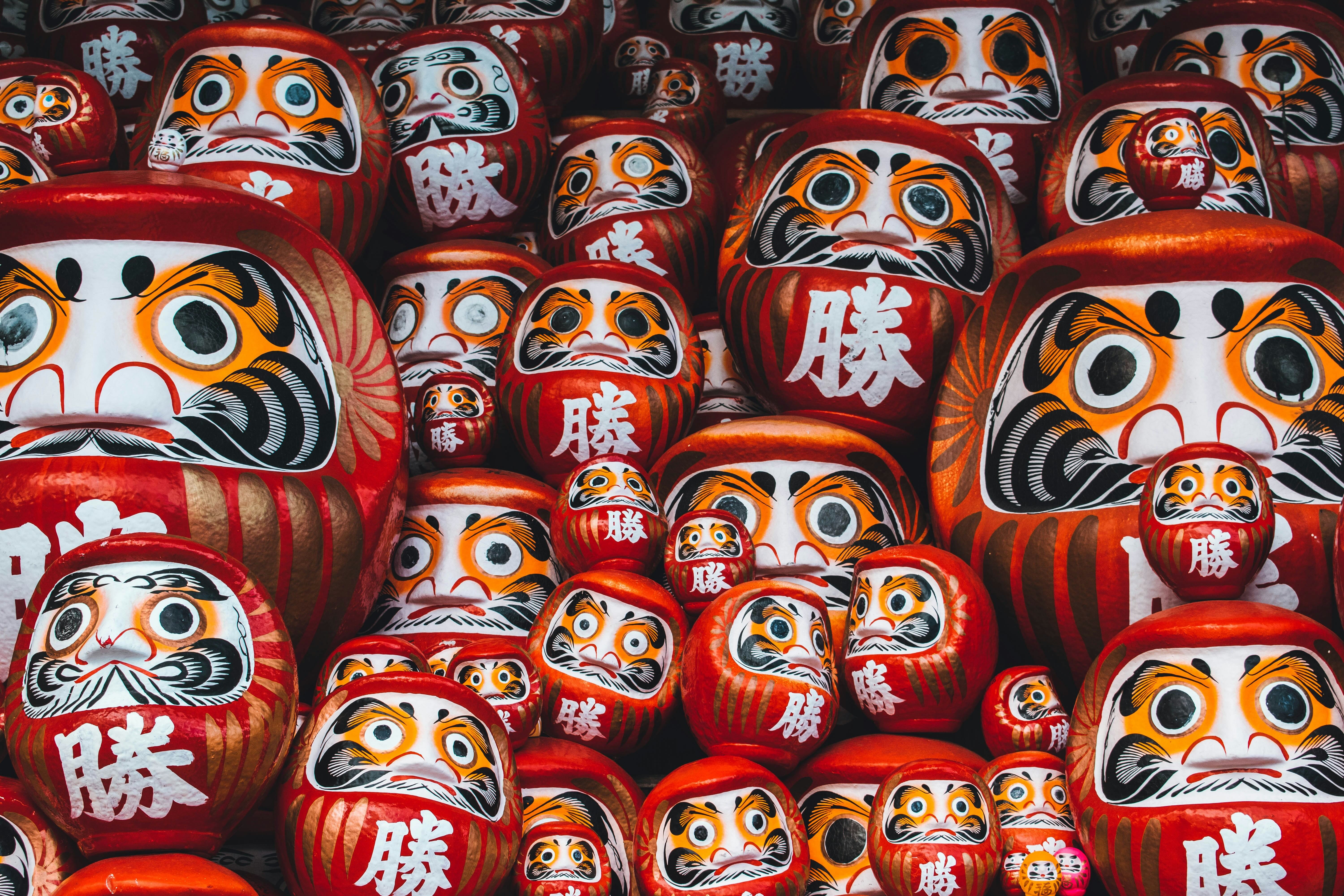
Katsuo-ji Temple — A mountain temple famous for the thousands of daruma dolls left by past visitors.

Osaka Castle — A towering symbol of Japan's feudal past, rebuilt above stone ramparts and moats.

Shinsekai & Tsutenkaku Tower — A retro downtown quarter built around its own mini Eiffel Tower.

Sumiyoshi Taisha — One of Japan's oldest Shinto shrines, in a rare and ancient architectural style.

Abeno Harukas — Western Japan's tallest building, its observation deck opening out over the whole city.
Dotonbori — Osaka's neon-lit canal district, alive with giant signboards and after-dark energy.

Senso-ji Temple — Tokyo's oldest and most iconic Buddhist temple, nestled in the heart of Asakusa.

Tokyo Skytree — At 634 meters, the tallest structure in Japan, framing the city's skyline from Sumida.

Nihonbashi — The historic bridge and stone marker from which every distance in old Japan was measured.

Tsukiji Outer Market — A lively food street of fresh seafood, street snacks, and Tokyo's best-known flavors.
Meiji Jingu Shrine — A forested shrine of towering torii gates, hidden in the heart of the city.

Shinjuku Gyoen — A sprawling garden of ponds, lawns, and seasonal blooms in the middle of Shinjuku.

Shibuya Crossing — One of the busiest pedestrian crossings in the world, pulsing with neon and crowds.

Arakurayama Sengen Park — Climb to the classic view of a five-storey pagoda with Mount Fuji rising behind it.

CYCL Sauna — A strikingly modern sauna framing Mount Fuji through floor-to-ceiling glass.

Oshino Hakkai — A village of crystal-clear spring ponds fed by Mount Fuji's snowmelt, framed by thatched-roof houses.

Fujiyoshida Honcho Street — A classic view straight down an old shopping street to Mount Fuji rising at its end.
Check into your tatami suite and change into a cotton yukata and geta wooden sandals — the inn's okami (proprietress) shows you how to tie the obi correctly for the season.
Wander the historic willow-lined canal at dusk, entering each of the seven outdoor bathhouses at your own pace with your inn-issued bath pail and towel.
Your kaiseki dinner — twelve small courses designed around seasonal produce — is served privately in your room by a kimono-clad attendant, one course at a time.
Rise before other guests for a quiet morning soak in the inn's private rotenburo (open-air bath), watching steam drift over the stone garden as the sun climbs.
Kiyomizu-dera Temple — A UNESCO World Heritage hillside temple whose vast wooden stage opens over Kyoto.
Sannenzaka & Ninenzaka — Kyoto's best-preserved old stone lanes, lined with traditional shops and teahouses.
Kinkaku-ji Temple — the UNESCO World Heritage Golden Pavilion- its gold leaf mirrored perfectly in the pond.
Arashiyama Bamboo Grove — Towering bamboo stalks lining a quiet, otherworldly path outside the city.
Togetsukyo Bridge — Arashiyama's landmark bridge over the Katsura River, framed by wooded hills.
Minoh Falls — One of Japan's finest waterfalls, hidden in the forested hills just outside the city.
Katsuo-ji Temple — A mountain temple famous for the thousands of daruma dolls left by past visitors.
Osaka Castle — A towering symbol of Japan's feudal past, rebuilt above stone ramparts and moats.
Shinsekai & Tsutenkaku Tower — A retro downtown quarter built around its own mini Eiffel Tower.
Sumiyoshi Taisha — One of Japan's oldest Shinto shrines, in a rare and ancient architectural style.
Abeno Harukas — Western Japan's tallest building, its observation deck opening out over the whole city.
Dotonbori — Osaka's neon-lit canal district, alive with giant signboards and after-dark energy.
Senso-ji Temple — Tokyo's oldest and most iconic Buddhist temple, nestled in the heart of Asakusa.
Tokyo Skytree — At 634 meters, the tallest structure in Japan, framing the city's skyline from Sumida.
Nihonbashi — The historic bridge and stone marker from which every distance in old Japan was measured.
Tsukiji Outer Market — A lively food street of fresh seafood, street snacks, and Tokyo's best-known flavors.
Meiji Jingu Shrine — A forested shrine of towering torii gates, hidden in the heart of the city.
Shinjuku Gyoen — A sprawling garden of ponds, lawns, and seasonal blooms in the middle of Shinjuku.
Shibuya Crossing — One of the busiest pedestrian crossings in the world, pulsing with neon and crowds.
Arakurayama Sengen Park — Climb to the classic view of a five-storey pagoda with Mount Fuji rising behind it.
CYCL Sauna — A strikingly modern sauna framing Mount Fuji through floor-to-ceiling glass.
Oshino Hakkai — A village of crystal-clear spring ponds fed by Mount Fuji's snowmelt, framed by thatched-roof houses.
Fujiyoshida Honcho Street — A classic view straight down an old shopping street to Mount Fuji rising at its end.
Check into your tatami suite and change into a cotton yukata and geta wooden sandals — the inn's okami (proprietress) shows you how to tie the obi correctly for the season.
Wander the historic willow-lined canal at dusk, entering each of the seven outdoor bathhouses at your own pace with your inn-issued bath pail and towel.
Your kaiseki dinner — twelve small courses designed around seasonal produce — is served privately in your room by a kimono-clad attendant, one course at a time.
Rise before other guests for a quiet morning soak in the inn's private rotenburo (open-air bath), watching steam drift over the stone garden as the sun climbs.
Kiyomizu-dera Temple — A UNESCO World Heritage hillside temple whose vast wooden stage opens over Kyoto.
Sannenzaka & Ninenzaka — Kyoto's best-preserved old stone lanes, lined with traditional shops and teahouses.
Kinkaku-ji Temple — the UNESCO World Heritage Golden Pavilion- its gold leaf mirrored perfectly in the pond.
Arashiyama Bamboo Grove — Towering bamboo stalks lining a quiet, otherworldly path outside the city.
Togetsukyo Bridge — Arashiyama's landmark bridge over the Katsura River, framed by wooded hills.
Minoh Falls — One of Japan's finest waterfalls, hidden in the forested hills just outside the city.
Katsuo-ji Temple — A mountain temple famous for the thousands of daruma dolls left by past visitors.
Osaka Castle — A towering symbol of Japan's feudal past, rebuilt above stone ramparts and moats.
Shinsekai & Tsutenkaku Tower — A retro downtown quarter built around its own mini Eiffel Tower.
Sumiyoshi Taisha — One of Japan's oldest Shinto shrines, in a rare and ancient architectural style.
Abeno Harukas — Western Japan's tallest building, its observation deck opening out over the whole city.
Dotonbori — Osaka's neon-lit canal district, alive with giant signboards and after-dark energy.
Senso-ji Temple — Tokyo's oldest and most iconic Buddhist temple, nestled in the heart of Asakusa.
Tokyo Skytree — At 634 meters, the tallest structure in Japan, framing the city's skyline from Sumida.
Nihonbashi — The historic bridge and stone marker from which every distance in old Japan was measured.
Tsukiji Outer Market — A lively food street of fresh seafood, street snacks, and Tokyo's best-known flavors.
Meiji Jingu Shrine — A forested shrine of towering torii gates, hidden in the heart of the city.
Shinjuku Gyoen — A sprawling garden of ponds, lawns, and seasonal blooms in the middle of Shinjuku.
Shibuya Crossing — One of the busiest pedestrian crossings in the world, pulsing with neon and crowds.
Arakurayama Sengen Park — Climb to the classic view of a five-storey pagoda with Mount Fuji rising behind it.
CYCL Sauna — A strikingly modern sauna framing Mount Fuji through floor-to-ceiling glass.
Oshino Hakkai — A village of crystal-clear spring ponds fed by Mount Fuji's snowmelt, framed by thatched-roof houses.
Fujiyoshida Honcho Street — A classic view straight down an old shopping street to Mount Fuji rising at its end.
Check into your tatami suite and change into a cotton yukata and geta wooden sandals — the inn's okami (proprietress) shows you how to tie the obi correctly for the season.
Wander the historic willow-lined canal at dusk, entering each of the seven outdoor bathhouses at your own pace with your inn-issued bath pail and towel.
Your kaiseki dinner — twelve small courses designed around seasonal produce — is served privately in your room by a kimono-clad attendant, one course at a time.
Rise before other guests for a quiet morning soak in the inn's private rotenburo (open-air bath), watching steam drift over the stone garden as the sun climbs.
Kiyomizu-dera Temple — A UNESCO World Heritage hillside temple whose vast wooden stage opens over Kyoto.
Sannenzaka & Ninenzaka — Kyoto's best-preserved old stone lanes, lined with traditional shops and teahouses.
Kinkaku-ji Temple — the UNESCO World Heritage Golden Pavilion- its gold leaf mirrored perfectly in the pond.
Arashiyama Bamboo Grove — Towering bamboo stalks lining a quiet, otherworldly path outside the city.
Togetsukyo Bridge — Arashiyama's landmark bridge over the Katsura River, framed by wooded hills.
Minoh Falls — One of Japan's finest waterfalls, hidden in the forested hills just outside the city.
Katsuo-ji Temple — A mountain temple famous for the thousands of daruma dolls left by past visitors.
Osaka Castle — A towering symbol of Japan's feudal past, rebuilt above stone ramparts and moats.
Shinsekai & Tsutenkaku Tower — A retro downtown quarter built around its own mini Eiffel Tower.
Sumiyoshi Taisha — One of Japan's oldest Shinto shrines, in a rare and ancient architectural style.
Abeno Harukas — Western Japan's tallest building, its observation deck opening out over the whole city.
Dotonbori — Osaka's neon-lit canal district, alive with giant signboards and after-dark energy.
Senso-ji Temple — Tokyo's oldest and most iconic Buddhist temple, nestled in the heart of Asakusa.
Tokyo Skytree — At 634 meters, the tallest structure in Japan, framing the city's skyline from Sumida.
Nihonbashi — The historic bridge and stone marker from which every distance in old Japan was measured.
Tsukiji Outer Market — A lively food street of fresh seafood, street snacks, and Tokyo's best-known flavors.
Meiji Jingu Shrine — A forested shrine of towering torii gates, hidden in the heart of the city.
Shinjuku Gyoen — A sprawling garden of ponds, lawns, and seasonal blooms in the middle of Shinjuku.
Shibuya Crossing — One of the busiest pedestrian crossings in the world, pulsing with neon and crowds.
Arakurayama Sengen Park — Climb to the classic view of a five-storey pagoda with Mount Fuji rising behind it.
CYCL Sauna — A strikingly modern sauna framing Mount Fuji through floor-to-ceiling glass.
Oshino Hakkai — A village of crystal-clear spring ponds fed by Mount Fuji's snowmelt, framed by thatched-roof houses.
Fujiyoshida Honcho Street — A classic view straight down an old shopping street to Mount Fuji rising at its end.

Information
Where This Journey Takes You
Information
Where This Journey Takes You
This itinerary connects some of Japan’s most distinctive regions, combining iconic highlights with lesser-known destinations to create a seamless travel experience from start to finish.
This itinerary connects some of Japan’s most distinctive regions, combining iconic highlights with lesser-known destinations to create a seamless travel experience from start to finish.
Kanto
Japan's most dynamic region — anchored by Tokyo's neon-lit metropolis and fanning out to Kamakura's coastal temples, Nikko's ornate mountain shrines, and Yokohama's cosmopolitan harborfront. Kanto offers the widest range of experiences in the country, from ultra-modern districts to ancient hillside sanctuaries all within easy reach.
Kansai
Japan's kitchen and its most lively region — Osaka's street food scene, Osaka Castle, Kobe's harborfront, and easy day trips to Himeji make Kansai the ideal base for culture, history, and unapologetic eating.
Itinerary
Explore Every Moment Along the Way
Itinerary
Explore Every Moment Along the Way

Arrive
Arrive
Arrive
Bathe
Bathe
Bathe
Dine
Dine
Dine
Rest
Rest
Rest
Policies
Important Travel Information
Policies
Important Travel Information
Talk to Our Team
Every journey is different. Our Japan Travel Specialists are here to answer your questions, refine every detail, and help you choose the itinerary that best matches your interests, travel style, and pace.
Inclusions
1 night in a tatami-floored ryokan room
12-course kaiseki dinner
Traditional Japanese breakfast
Unlimited access to the inn's indoor and outdoor baths
Yukata and wooden geta rental
Round-trip station shuttle
Exclusions
Cancellation
Additional Info
Talk to Our Team
Every journey is different. Our Japan Travel Specialists are here to answer your questions, refine every detail, and help you choose the itinerary that best matches your interests, travel style, and pace.
Talk to Our Team
Every journey is different. Our Japan Travel Specialists are here to answer your questions, refine every detail, and help you choose the itinerary that best matches your interests, travel style, and pace.
FAQ
Everything You Should Know Before Booking
FAQ
Everything You Should Know Before Booking
Find quick answers about planning, booking, payments, and traveling with My Japan Tour. If you don't see what you're looking for, simply get in touch with our team.
Find quick answers about planning, booking, payments, and traveling with My Japan Tour. If you don't see what you're looking for, simply get in touch with our team.
What is included in the price?
The price covers one night accommodation in a private tatami room, the full 12-course kaiseki dinner, a traditional Japanese breakfast, unlimited use of all inn baths, yukata and geta rental, and return shuttle transfers from Kinosaki Onsen Station.
What is included in the price?
Recommended
Discover More Journeys That Match Your Travel Style
Recommended